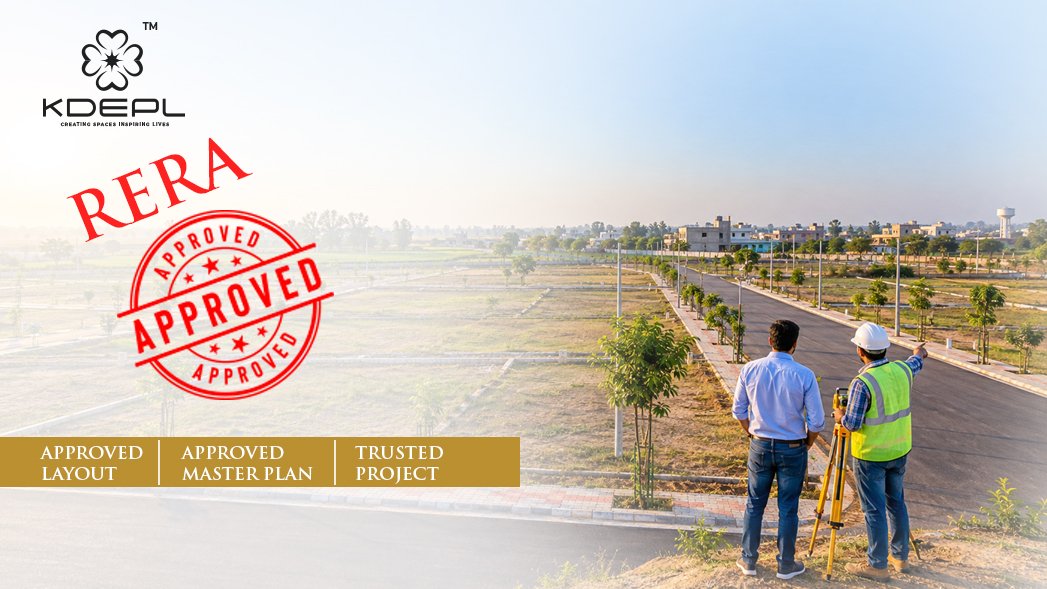
Before paying a booking amount for a residential plot, take a few minutes to verify the project on the Haryana Real Estate Regulatory Authority (RERA) website. A brochure can help you understand a development, but the official record lets you compare the advertised name, promoter, location, registration number and available documents. This simple check is especially useful when several projects have similar names or when an agent shares a cropped image of a certificate.
RERA verification is one part of buying due diligence. It does not replace a review of the plot title, approved layout, agreement and payment terms. The steps below show how to find the public record and which details deserve a closer look.
Start with the exact project details
Ask the developer or seller for the full project name, legal promoter name, RERA registration number and the precise location or phase. Keep a copy of the brochure or quotation so you can compare its claims with the authority’s listing. If a large development has more than one registered phase, make sure the registration you find relates to the plot you are considering.
For example, someone researching deen dayal plots in Sonipat may encounter several plotted developments across the district. Searching only for “Sonipat plots” is too broad; a project name and registration number make the check much more reliable.
Use the official Haryana RERA portal
Open the Haryana RERA Registered Projects list or its public project search page. These are official external resources. The search interface offers district and builder fields, while the registered-project list shows columns such as registration certificate number, project name, builder, location, district, registration period and links to project records. The portal layout can change, so use the labels shown on the current site if they differ from this guide.
Select Sonipat when a district filter is available. Enter the project name or promoter, then compare the returned entries carefully. Similar names, spelling variations and separate phases can lead to the wrong result. If your first query returns nothing, try the legal promoter name or the registration number printed on the project material. Do not assume a project is unregistered solely because one search term produces no match.
Match the registration with the project you are evaluating
Read the full row or project detail rather than stopping at a matching name. Check the registration certificate number, promoter, project address and district. Look at the “registration up to” date and any status or notice displayed by the authority. Where available, open the certificate and the project detail forms to confirm that the public record corresponds to the development and phase being offered.
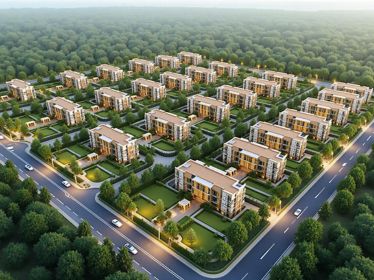
As a practical example, the Haryana RERA registered-project list identifies Aarambh Greens under certificate number HRERA-PKL-SNP-869-2026. The listed promoter is KK Dhanuka Estates Pvt Ltd, and the project location is in the Kharkhoda area of Sonipat. Buyers considering DDJAY plots in Kharkhoda Sonipat can compare those details with the project page and the documents supplied for the particular plot. Check the live authority record again when making a purchase decision because entries can be updated.
Review the available documents and progress information
A matching certificate is a starting point. On the official listing, look for links to the registration certificate, project details or Form A–H, quarterly progress reports, and any relevant orders or notices. The exact files available differ by project. Note the approved project area, location, proposed completion information and promoter identity where these are disclosed. If a link is unavailable or a document is unclear, request a complete copy from the promoter and seek an explanation.
For a plotted development, ask for the sanctioned layout and the documents that identify the specific plot: its number, dimensions, access road and permitted use. Compare these with the site plan and what you see during a physical visit. A registration for a broader project does not, by itself, tell you every term attached to an individual plot.
What to do if details do not match
Pause if the certificate number points to another project, the promoter differs from the party in your paperwork, or the advertised location does not match the official entry. First rule out simple explanations such as a corporate name, a changed project name or a separate phase. Ask for the relevant approval and a written clarification, then verify the explanation against the authority’s record. Avoid making a payment based only on a forwarded screenshot or a verbal assurance.
You should also ask for the proposed agreement, payment schedule and a breakdown of charges. Independent legal review can help assess title, land records, the sale agreement and whether the plot and its permitted use match the supplied documents. RERA registration helps you identify the regulated project; it is not a substitute for those checks or a promise of future returns.
A quick verification checklist
- Project name and registration number match the official Haryana RERA record.
- Promoter name, district, site location and relevant phase match the offer.
- Certificate, project details, notices and progress information have been reviewed where available.
- The plot number, dimensions, layout, title documents and payment terms have been checked separately.
Make the official record your first reference
A careful buyer can complete an initial RERA search before visiting the sales office, then use the result to ask better questions on site. For a wider introduction to plotted developments, read KDEPL’s guide to DDJAY plots in Kharkhoda and Sonipat. When comparing any project, rely on the current official listing and the documents for the exact plot rather than broad marketing claims. That approach makes the next conversation with the developer more specific and helps you decide which points need independent verification.

 Back to Blog
 October 05, 2026
 8 min read